Designing for Longevity: Reflections from MPN’s 7th Aging Innovations Summit

At the end of April, Maryland Philanthropy Network (MPN) convened roughly 200 funders, nonprofit leaders, public sector partners, gerontology students, and community leaders for its 7th Maryland Aging Innovations Summit, Designing for Longevity. The Summit, hosted for the first time at Coppin State University, not only highlighted innovative approaches to aging across Maryland, but it also embodied the very values it sought to advance: collaboration across sectors, intergenerational learning, and a shared commitment to ensuring all Marylanders can age with dignity, purpose, and connection. From the joyful, warm opening remarks, the outstanding, thoughtful presentations, the musical performance, networking, and discussions, our guests received acknowledgement of their passionate contributions in the field of aging while honoring the deep expertise and partnerships that have shaped this work for years.
Age-Friendly Systems and Cross-Generational Connections
The Summit opened with welcoming remarks from Carmel Roques, Secretary of the Maryland Department of Aging, who framed the day around the collaborative spirit at the heart of The Longevity Ready Maryland (LRM) Act (HB278/SB113), which had just been passed into law on April 14, 2026. She highlighted the critical role of cross-sector partnerships: public agencies, philanthropy, nonprofits, and communities, in preparing Maryland for a longevity-ready future.
Dr. Leanne Clark-Shirley, Gerontologist and President and CEO of the American Society on Aging (ASA), followed with a compelling keynote that centered equity, belonging, and intergenerational connection. Drawing on ASA’s work, including ASA RISE and Legacy Corps, Dr. Clark-Shirley shared examples of how cross-generational learning and engagement are reshaping the way communities design for longevity, reminding participants that age-friendly systems benefit people of all ages.
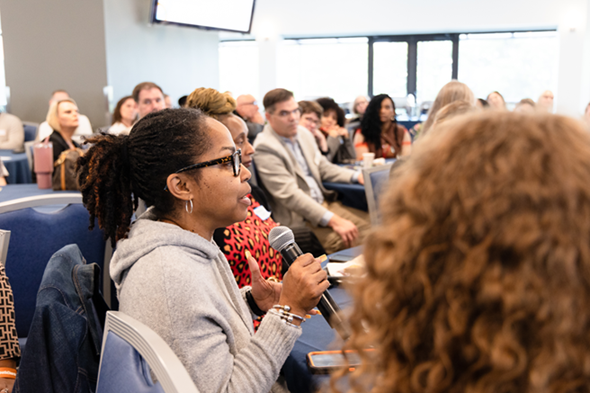
The conversation continued with the panel “Age-Friendly Systems Benefit All Communities,” moderated by Chelsea Wheeler of the Maryland Department of Aging. Panelists Emily Kearns, Jane Rohde, and Sharon L. Vanzego-Johnson offered concrete examples from across Maryland, from dementia-friendly practices to intergenerational housing and Village models, demonstrating how age-friendly approaches strengthen connection, resilience, and community well-being.
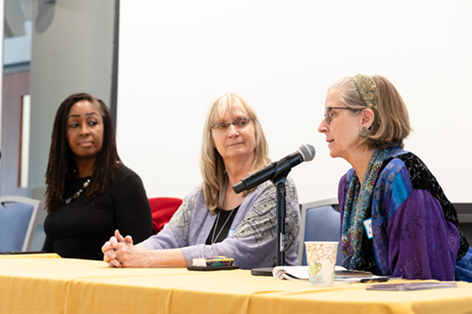
A highlight of the day was an interactive discussion led by Dr. Claudia Thorne of Coppin State University, with active participation from Coppin students studying public health, social work, and gerontology. Through guided reflection prompts, attendees explored what intergenerational communities could look like in Baltimore and statewide, reinforcing the importance of designing systems that support people across the entire life course.
As Priscilla Ko, Senior Program Officer at The Harry and Jeanette Weinberg Foundation, reflected, “The move to Coppin State brought new voices, faces, and energy into the event and tied neatly into the theme of intergenerational design for longevity.”
The Summit concluded with a moving presentation and musical performance by the Iris Music Project, whose Ensemble-in-Residence program connects professional musicians with residents in long-term care and community settings. Their work, which invites participants to become lyricists, performers, rehearsal directors, or simply engaged listeners, beautifully captured the power of creativity, dignity, and connection at every stage of life.
Reflections and Gratitude
The energy in the room was palpable throughout the day. Attendees repeatedly remarked on the Summit’s optimism, breadth, and sense of shared purpose. As Aileen Tinney, CEO of Keswick, shared, “This is one of the most mind-expanding, cross-sector, positive gatherings around aging, anywhere…it lets us each remember and celebrate all the resources we have in Maryland in the realm of aging.”
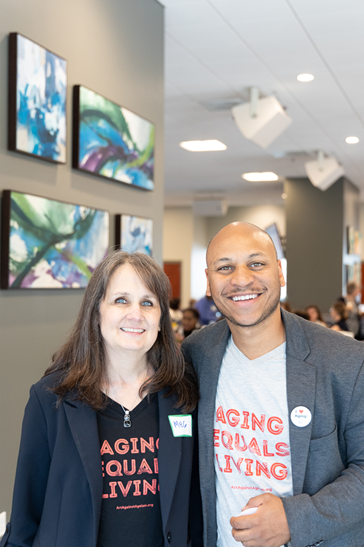
We were honored to welcome our largest attendance ever: roughly 200 participants, including 22 MPN members from 12 organizations, 152 aging sector professionals representing 69 organizations and public agencies across Maryland and Pennsylvania, 20 Coppin State University students, and many of their Coppin State professors and mentors.
This event would not have been possible without the generous support of our sponsors, The Harry and Jeanette Weinberg Foundation and Keswick, whose commitment made it possible to offer the Summit at no cost to attendees. We are also deeply grateful to Cathy Brill of the Stulman Foundation, Tracey Barbour-Gillett of the Abell Foundation, Priscilla Ko of The Harry and Jeanette Weinberg Foundation, Dr. Claudia Thorne of Coppin State University, and Aileen Tinney of Keswick for their leadership and guidance as thought partners throughout the planning process. We extend special thanks to Coppin State University for its hospitality and partnership.
The 2026 Maryland Aging Innovations Summit: Designing for Longevity reminded us that aging is not a challenge to solve, but an opportunity to design communities that work better for everyone.